More than skateparks, we build community.
OUR MISSIONWe help underserved communities create safe and inclusive public skateparks for youth.
Founded by Tony Hawk in 2002, The Skatepark Project is a nonprofit dedicated to increasing access to outdoor recreation and free play in underserved communities by creating safe and inclusive skateparks and bringing them to life.
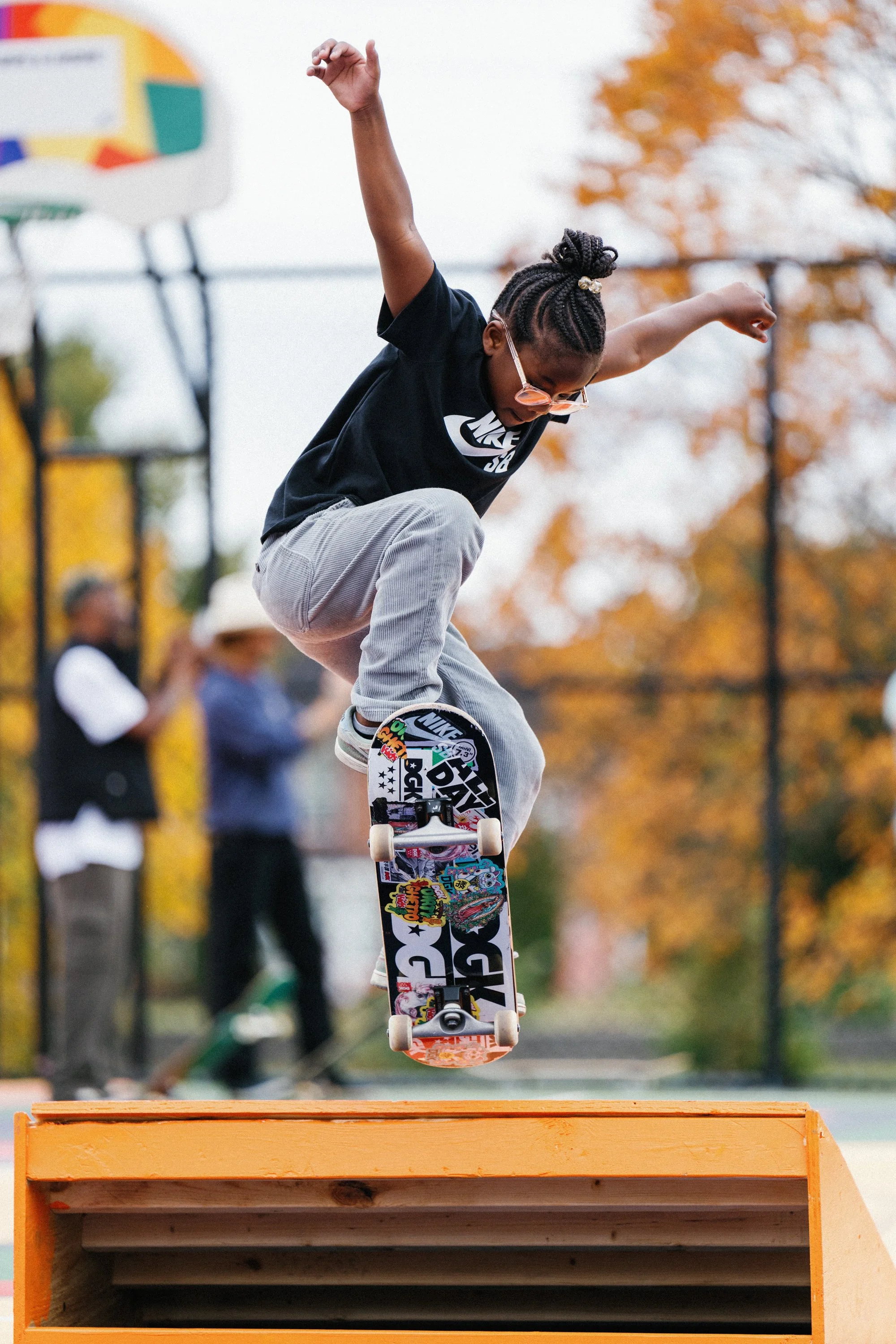
OUR VISIONWe envision thriving, healthy, and sustainable communities throughout the United States in which young people have equitable access to safe outdoor spaces for creative expression, physical activity, and a sense of belonging.

Our Programs
-
![]()
Skatepark Grants
Up to $25,000 in grant funding to community-led projects focused on building skateparks, skate spaces, and skate spots in underserved communities.
-
![]()
Legacy Projects
Community-driven skatepark projects built through strong partnerships, innovative design, and dedicated support for lasting local impact.
-
![]()
Supply the Ride
Breaking down barriers to the sport by providing essential skateboarding gear to youth in the communities we serve.
-
![]()
Harold Hunter Foundation
Empowering NYC youth through skateboarding and mentorship, fostering resilience, growth, and community in honor of Harold Hunter.
-
![]()
Indigenous Program
Creating public skateparks and providing youth development programming for Native and Indigenous communities.
-
![]()
Community Activation Grants
Dynamic skate and recreational programming in partnership with community-based organizations and local school districts across the country.
-
![]()
International Program
Supporting global skateboarding growth by providing grants to organizations that create inclusive public skate spaces and youth programs.
-
![]()
Built to Play
A partnership with the Ralph C. Wilson, Jr. Foundation to create 20 skateparks across under-resourced areas in Southeast Michigan and Western New York.


WHY SKATEBOARDING?Action sports, enjoyed by over 17 million people in the U.S., are a powerful tool for positive youth development. They promote physical activity, build mental resilience, and foster a strong sense of community and belonging. By expanding access to skateboarding and skateparks, we can effectively address many of the physical and mental health challenges facing today’s youth.

Your support matters.
Your contribution will directly support our mission to help underserved communities create safe and inclusive public skateparks and activate them with youth programming.
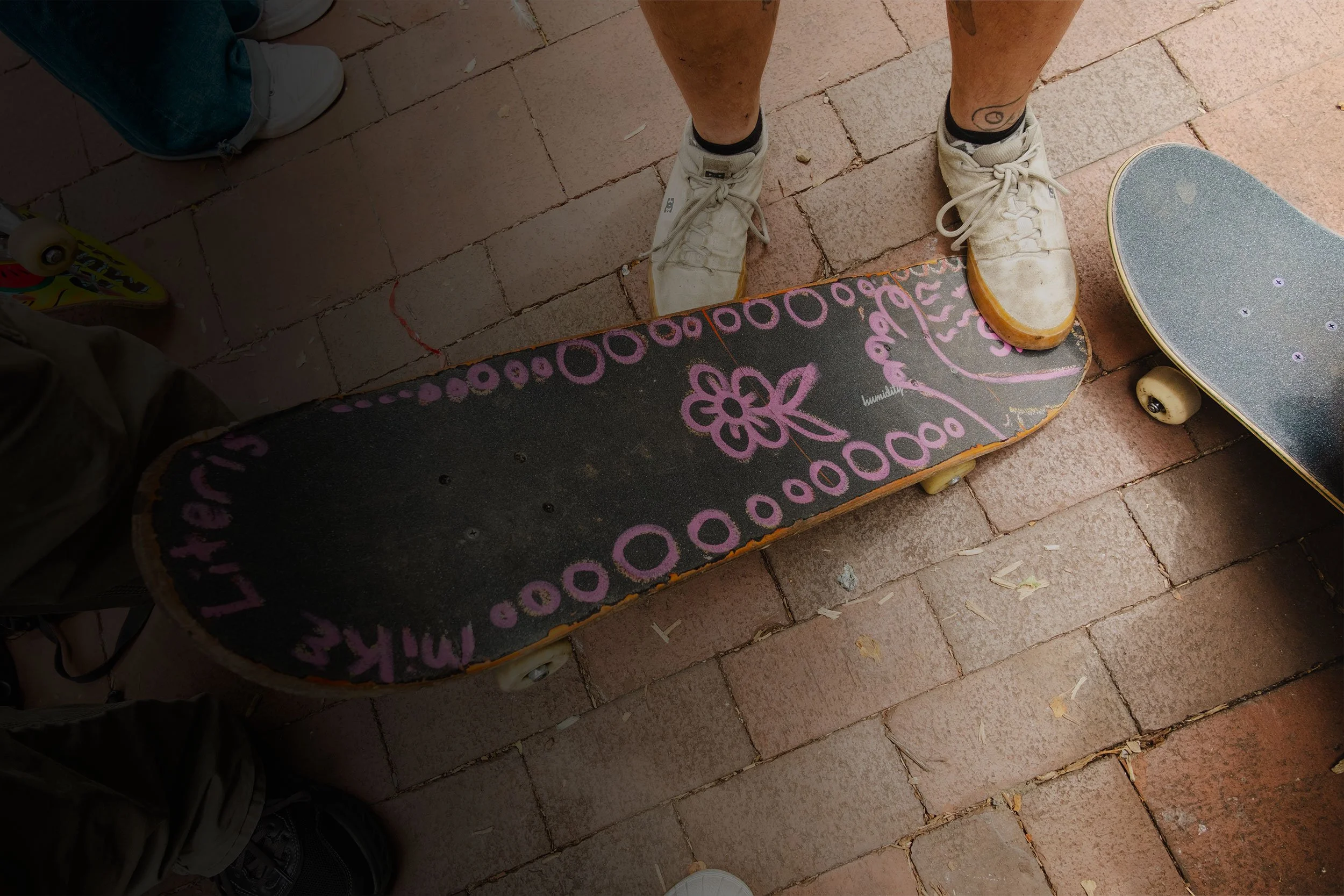
“My favorite thing about skateboarding is that it’s the only thing in my life that taught me it’s OK to fail a thousand times just to succeed once. And that right there has not only led me to be successful in skateboarding but my own life.”